
When I first started learning how to read tarot cards, I’ll admit I felt a little lost. My deck sat on my shelf for weeks before I finally opened it, unsure of where to begin.
But after some practice, I discovered that tarot isn’t about predicting the future in a mystical way; it’s about using a deck of cards as a mirror for your own thoughts, intuition, and energy.
Whether you’re curious about tarot for self-reflection or just want to explore it for fun, here’s easy guide for how to read tarot cards, especially if you’re just starting out.
Preparation and Intention: Setting the Stage for Tarot
Before you dive into tarot, it’s important to create a space that allows you to connect with the cards. Setting an intention and clearing distractions is essential to getting the most out of your reading.
Create a Space
A calm, quiet environment helps you tune into your intuition. Clear mental distractions by taking deep breaths or lighting a candle. Some people also cleanse their decks by passing them through smoke or placing them on crystals to clear any lingering energy. This can help reset your connection to the deck.
Formulate a Question
Your question should be open-ended and focused on insight. Instead of asking “Will I get this job?” try something like “How can I prepare for the next step in my career?” Open-ended questions allow the cards to offer deeper guidance and more reflective answers.
Shuffle
Once you’ve set your intention and formulated your question, shuffle the cards while focusing on your query. The act of shuffling is part of the ritual and helps you engage with the cards, allowing your energy to influence the spread.
Choosing a Spread: Deciding How the Cards Will Tell Your Story
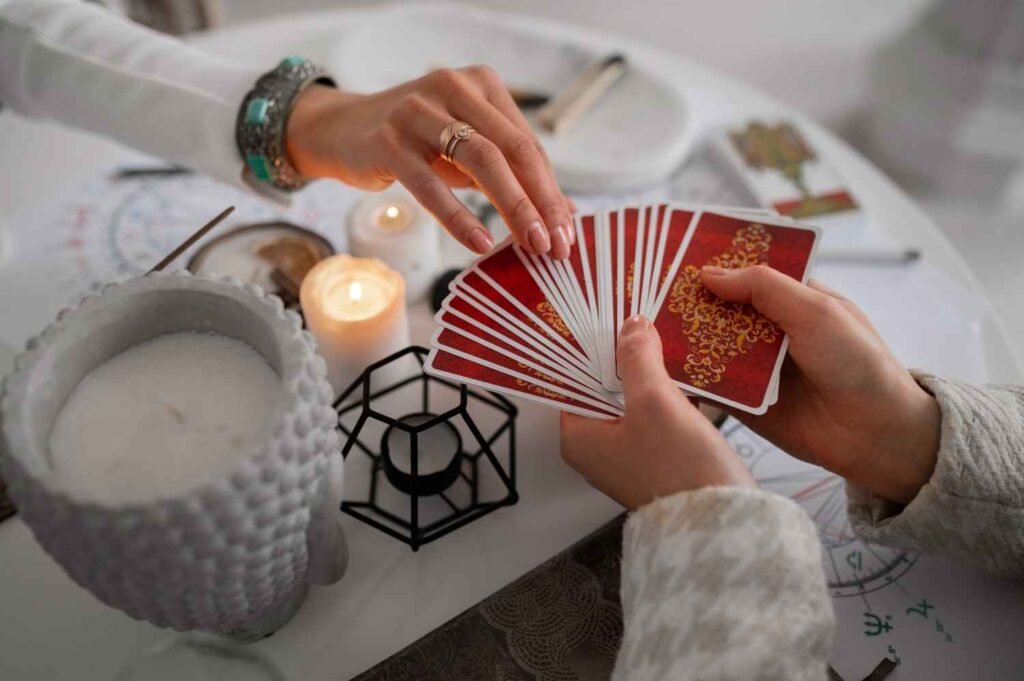
A tarot spread is how you lay out the cards, determining what each card represents. As a beginner, start with simple spreads that give you clear insights without being overwhelming.
One-Card Pull
If you want quick guidance or a simple energy check, a one-card pull is perfect. It’s ideal for daily readings or when you need to check in on your current situation.
Three-Card Spread
A three-card spread is one of the most common beginner layouts. The cards can represent the Past, Present, and Future or Situation, Action, and Outcome. This layout gives you a well-rounded understanding of your situation.
Celtic Cross
As you get more comfortable, you might want to try the Celtic Cross spread. This advanced 10-card layout provides deeper insights into a specific question or situation, helping you understand the surrounding influences and possible outcomes.
Understanding the Deck Structure: Tarot Cards at a Glance
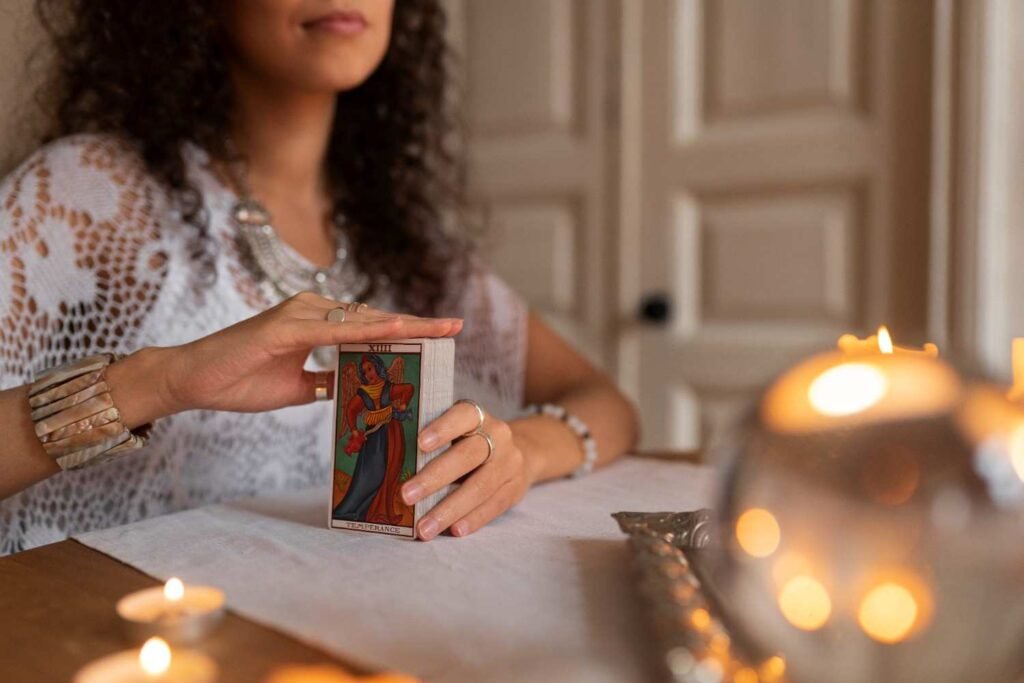
A tarot deck consists of 78 cards, divided into two main sections. Understanding the structure of your deck is essential for interpreting the cards effectively.
Major Arcana
The Major Arcana consists of 22 cards that represent significant life lessons and archetypal themes. Cards like The Fool, Death, and The Sun address major shifts in your life journey and big-picture lessons.
Minor Arcana
The Minor Arcana consists of 56 cards that focus on daily life experiences and situations. These cards are divided into four suits, each representing different aspects of life:
- Wands (Fire): Creativity, action, and willpower.
- Cups (Water): Emotions, relationships, and intuition.
- Swords (Air): Intellect, thoughts, and conflict.
- Pentacles (Earth): Work, finances, and physical health.
Interpretation Techniques: How to Read the Cards with Intuition
When you first start reading tarot, it can be overwhelming to memorize the meaning of each card. But with time, you’ll find that the cards begin to speak to you in a more personal way.
Visual Intuition
One of the best ways to interpret tarot is by tapping into your intuition. Look at the artwork on each card—what story does it tell you? Notice the colors, symbols, and the feelings they evoke. Tarot reading is about feeling the energy of the card and allowing it to guide you.
Keywords
While you don’t need to memorize every card immediately, it helps to have a guidebook or an app that lists the traditional meanings of each card. Keywords like “new beginnings” for The Fool or “transformation” for Death can be a helpful reference as you learn.
Reversals
If a card appears upside down (a reversal), it can indicate a blockage, challenge, or internalized energy related to the card’s meaning. For example, The Lovers reversed may indicate struggles in relationships, while The Sun reversed may suggest a lack of clarity or optimism.
Best Practices for Beginners: How to Make Tarot Your Own
As a beginner, it’s important to practice regularly and build a personal relationship with your deck. These best practices will help you grow as a tarot reader.
Start a Daily Practice
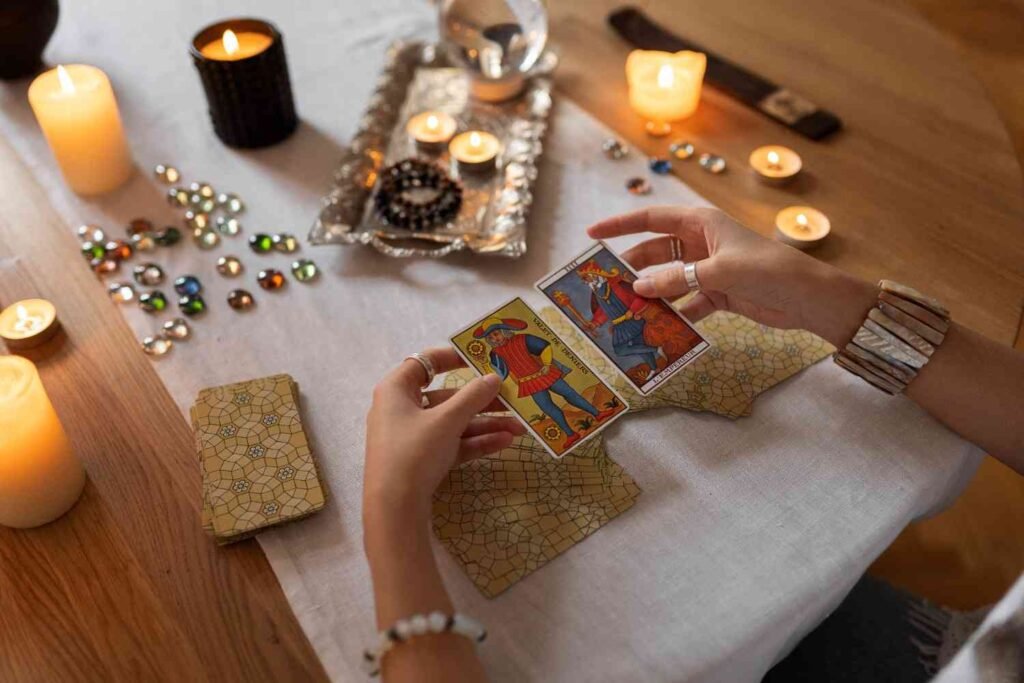
Pull one card every morning to get in the habit of connecting with your deck. This can help you tune into your intuition and give you daily insights that build over time.
Keep a Journal
Start a tarot journal where you record your daily pulls, feelings, and how the cards show up in your day. This will help you track patterns and deepen your understanding of your personal tarot journey.
Avoid Repeated Questions
When you ask the same question repeatedly, it can muddy the message the cards are trying to send. Trust the guidance you receive and give it time to unfold.
Beginner Resources
If you’re looking for a good deck to start with, the Rider-Waite-Smith deck is highly recommended. Its rich symbolism and imagery make it easy to interpret as a beginner, and it’s a great tool for building your tarot practice.
Frequently Asked Questions
Q1: How long does it take to learn how to read tarot cards?
Learning how to read tarot cards is a journey that unfolds over time. While you can start reading right away, it may take a few months to become comfortable with the symbolism, spreads, and your own intuition. Regular practice will help you build confidence and mastery.
Q2: Do I need to memorize the meanings of all 78 cards?
Not necessarily! While it’s helpful to know the basic meanings, you don’t need to memorize everything at once. Let your intuition guide you, and use a guidebook or app as a reference while you learn. With practice, you’ll start recognizing the meanings more naturally.
Q3: Can tarot predict the future?
Tarot is less about predicting the future and more about offering insights into your current situation and possible outcomes based on your present energy. It’s a tool for self-reflection, guidance, and clarity, not a strict fortune-telling device.
Your Tarot Journey Awaits
Now that you know the basics of how to read tarot cards, it’s time to dive in! Remember, tarot is about exploration and self-discovery. Trust your intuition, practice regularly, and have fun with the process. The more you engage with the cards, the more personal and meaningful your readings will become.
Here’s a little tip for you: Don’t worry about being perfect—tarot is all about the journey, not the destination. The cards are here to guide you, but it’s your intuition that will lead the way.