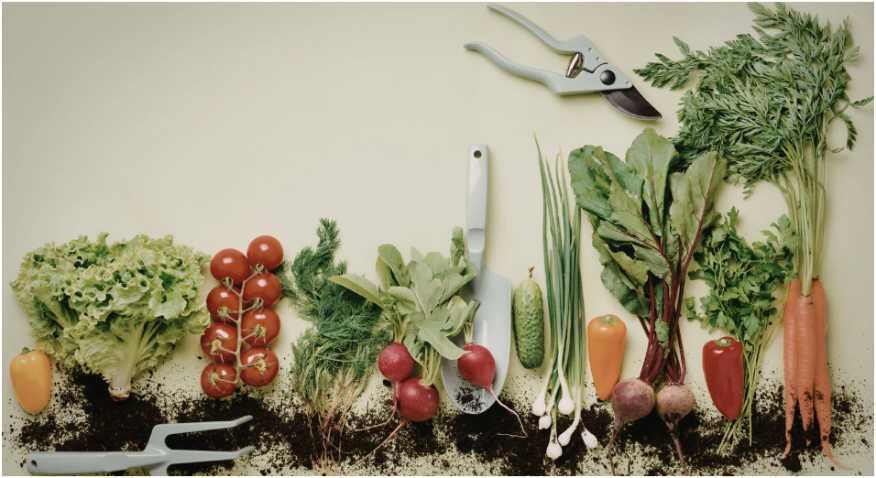
There’s something deeply satisfying about eating food you grew yourself. A backyard vegetable garden gives you fresher produce, lower grocery bills, and a surprisingly enjoyable reason to spend time outside. The best part? You don’t need a lot of space or experience to get started.
Why Grow Your Own Vegetables?
Homegrown vegetables taste better. That’s not nostalgia talking—it’s because store-bought produce is often harvested early and travels hundreds of miles before it reaches your plate. Picking a tomato from your own garden and eating it the same day is a completely different experience.
Beyond flavor, growing your own food reduces your reliance on heavily packaged supermarket produce, cuts household costs over time, and gives you full control over what goes into your soil—and ultimately, your body. It’s especially cost-effective if you take advantage of a sale on seeds to get started.
Choosing the Right Spot
Sunlight is non-negotiable. Most vegetables need at least six to eight hours of direct sun per day, so walk around your yard at different times and observe where the light falls longest.
A few other things to consider:
- Proximity to water: You’ll be watering frequently, especially in summer. Choose a spot close to a hose or outdoor tap.
- Flat ground: Sloped areas cause water to run off before it soaks in. Flat ground helps retain moisture evenly.
- Away from large trees: Tree roots compete for nutrients and water, and the shade they cast will limit your yields.
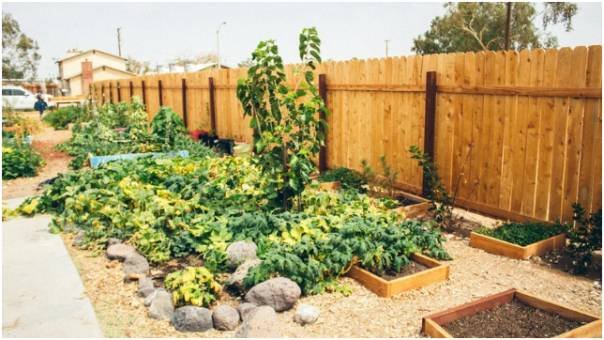
Once you’ve found your spot, start small. A 4×8 foot bed is plenty for a first-time gardener.
Preparing the Soil and Choosing a Bed Type
Healthy soil is the foundation of a productive garden. Before planting anything, test your soil’s texture by squeezing a handful. If it crumbles easily, you’re in good shape. If it clumps into a hard ball or feels sandy and loose, you’ll need to amend it.
Work in compost—homemade or store-bought—to improve drainage, add nutrients, and encourage earthworm activity. Aim for a layer of two to three inches mixed into the top 12 inches of soil.
Raised beds vs. in-ground rows comes down to your yard and preferences:
- Raised beds offer better drainage, fewer weeds, and easier access. They’re ideal for yards with poor soil or limited space.
- In-ground rows are lower cost and better suited to larger plots, though they require more weeding and soil preparation.
Either option works well for beginners. If you’re uncertain, a single raised bed filled with quality garden mix is the lowest-risk way to start.
Best Vegetables for Beginners
Not all vegetables are created equal when it comes to ease of growing. These are reliable, forgiving, and rewarding for first-time gardeners:
- Tomatoes – High yield, easy to train up a stake or cage
- Zucchini – Prolific growers that need minimal attention
- Lettuce and spinach – Fast-growing, can be harvested in stages
- Green beans – Low maintenance, great for warm climates
- Radishes – Ready to harvest in as little as 25 days
- Herbs (basil, parsley, chives) – Small footprint, high everyday value
Avoid starting with notoriously fussy plants like cauliflower, celery, or artichokes until you’ve had a season or two under your belt.
Essential Maintenance Tips
Watering
Most vegetable gardens need about one inch of water per week. Water deeply and less frequently rather than a light sprinkle every day—this encourages roots to grow deeper and makes plants more resilient. Morning watering is best; wet leaves overnight can invite fungal disease.
Weeding
Weeds compete with your vegetables for nutrients and water. Pull them when they’re small—before they establish deep roots or go to seed. Mulching around your plants with straw or wood chips significantly reduces how often you’ll need to weed.
Organic Pest Control
Before reaching for chemicals, try these simple approaches:
- Hand-pick larger pests like caterpillars and beetles in the early morning
- Use neem oil spray for aphids and soft-bodied insects
- Plant companion crops like marigolds, which naturally deter common pests
- Encourage beneficial insects by avoiding broad-spectrum pesticides that kill ladybugs and lacewings
Harvesting and Planning Ahead
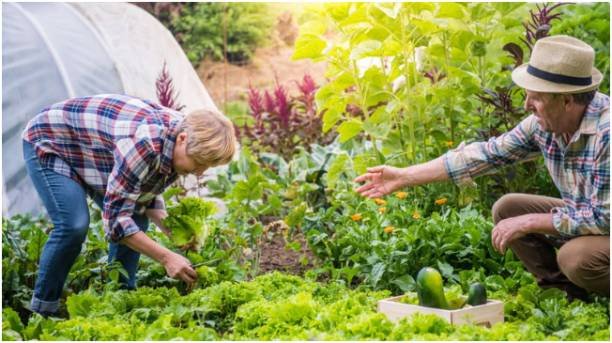
Harvest regularly. For most vegetables, picking frequently encourages the plant to keep producing. Zucchini left too long becomes woody and signals the plant to slow down. Tomatoes should be picked as soon as they’re fully colored and slightly soft to the touch. Growing your own vegetables will keep you healthy and help you save money on groceries as well.
Once your first season wraps up, take notes. What grew well? What struggled? Did you run out of water in August or get overwhelmed by zucchini? A short end-of-season review makes your next garden significantly better.
Clear spent plants, add another round of compost, and consider what you’d like to grow again—or try for the first time.
Conclusion
Starting a backyard vegetable garden doesn’t require a big investment or a green thumb—just a sunny spot, decent soil, and a bit of attention. The learning curve is gentle, and the rewards of fresh food, lower costs, and time outdoors arrive faster than most beginners expect.