

Making jam without commercial pectin might sound a little intimidating at first, but trust me, it’s easier (and way more fun) than you think. I’ve always loved the idea of making jam from scratch, and skipping the pectin just feels like the natural way to go. It’s about using the fruit’s own magic — the natural pectin inside — to create something that’s not only super delicious but also free from all those extra additives.
Whether you’re after a classic berry jam or want to experiment with something new like peach or apricot, I’m here to show you how simple it can be. No packets, no extra chemicals — just pure, homemade goodness. Ready to dive in? Let’s get started!
Why Some Jams Need Pectin (and Why Others Don’t)
Pectin is a natural carbohydrate found in the cell walls of fruits. When heated with sugar and acid, it forms a gel that thickens jams and jellies. Commercial pectin products are simply concentrated pectin (often from apple or citrus) refined into powders or liquids for convenience.
However — and this is key — many fruits already contain enough natural pectin to form a set if cooked properly. Apples, quince, currants, citrus peels, and cranberries are high in natural pectin. Berries like strawberries and raspberries have moderate or low pectin, but you can still make jam from them with the right technique.
So when we talk about jam “without commercial pectin,” we’re really talking about letting nature do the work — or using smart substitutes and timing.
Natural Ways to Achieve Jam’s Perfect Set
Here are the most effective pectin alternatives and techniques you’ll use:
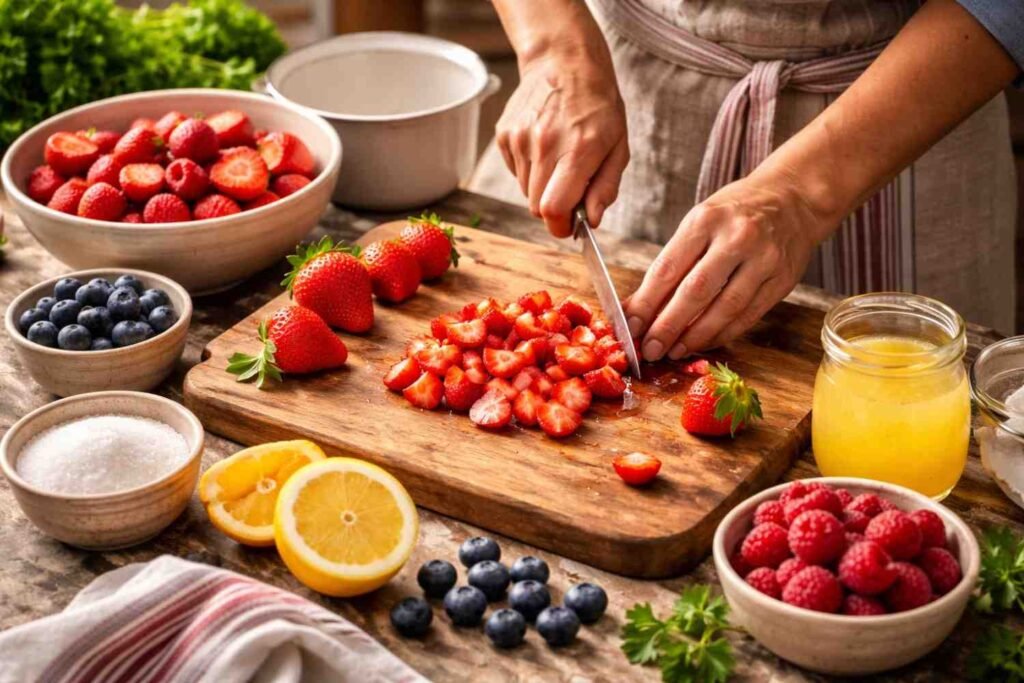
1. Choose Fruits with Natural Pectin
Fruits high in natural pectin give the best set without added pectin — think apples, quince, citrus fruits (especially the peel and white pith), and crabapples. These can create a jam that gels on its own.
2. Use Citrus Peel and Lemon Juice
Even low‑pectin fruits like strawberries or peaches benefit tremendously from a splash of lemon juice — the acid helps release the fruit’s own pectin and boosts gel formation.
3. Cook Longer, Gently
Without commercial pectin, patience is your superpower. A slow, steady boil reduces moisture and concentrates natural pectin, creating thickness as the mixture cools.
4. Macerate First
Some jam makers soak fruit in sugar and lemon juice overnight. This draws moisture and starts breaking down cell walls, releasing pectin before you even heat the pot.
5. Use Pectin‑Rich Add‑Ins
A small amount of grated apple, orange peel, or even quince can elevate the pectin profile of your jam without using commercial pectin.
6. Chia Seeds (Modern Hack)
Chia seeds absorb liquid and thickens jams quickly (similar to a gel). It’s technically not pectin, but it works for quick refrigerator jams or freezer jams and adds fiber.
Step‑By‑Step: Classic Homemade Jam Without Commercial Pectin
Here’s a foundational method you can adapt to most fruits.
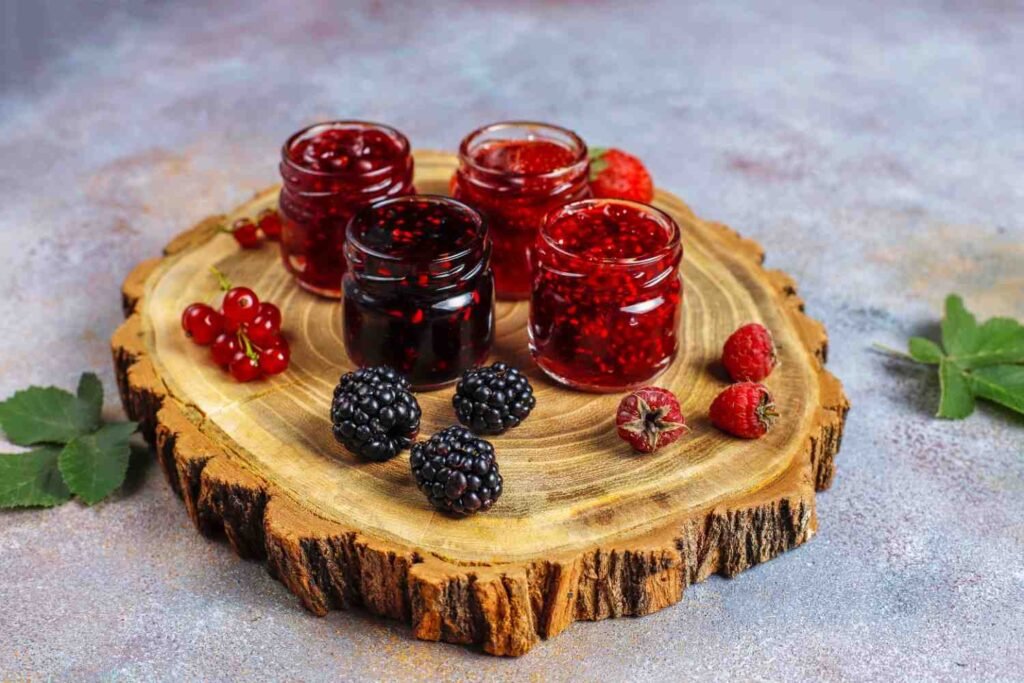
Ingredients:
- 4 cups prepared fruit (cleaned, hulled, chopped)
- 3–4 cups sugar (use equal weights if possible)
- 2–3 tablespoons lemon juice (fresh preferred)
- Optional: grated apple peel, citrus zest
Instructions:
- Prep the Fruit: Wash, hull, pit, and chop your fruit. The smaller the pieces, the faster and more evenly the jam sets.
- Macerate (Optional but Helpful): Combine fruit, sugar, and lemon juice in a bowl. Cover and refrigerate for at least 4 hours — overnight if you have time.
- Cook Your Jam:
-
-
- Transfer the mixture to a heavy‑bottomed pot.
- Stir gently over medium heat until sugar dissolves.
- Bring to a gentle boil, then reduce heat to maintain a steady, rolling boil.
- Stir frequently to prevent scorching and foam buildup.
-
- Test for Set:
-
-
- Cold Plate Test: Place a chilled plate in the freezer. Drop a teaspoon of hot jam onto it; if it wrinkles when you push it with your finger, it’s ready.
- Temperature Test: A jam set point is around 220°F (104°C).
-
- Jar While Hot: Ladle jam into sterilized jars, leaving ¼” headspace. Seal and process in a boiling water bath for safe long‑term storage (optional, but recommended for pantry storage).
Small Batch Jam (Refrigerator or Freezer)
If you don’t want to can long‑term, make small batch freezer jam:
- Reduce sugar slightly.
- Cook to a looser gel.
- Cool completely, then transfer to clean containers.
- Refrigerate up to 3–4 weeks or freeze up to 6 months.
Small batch is great for experimenting with flavor combinations — raspberry‑vanilla, peach‑ginger, blueberry‑lavender — without the pressure of perfect set every time.
Troubleshooting: Why Isn’t My Jam Setting?
Runny Jam
- Fruit too juicy or low in pectin
- Not enough lemon juice or acid
- Not cooked long enough
Fix: Return to heat and simmer a bit longer with a splash more lemon juice.
Too Thick or Candy‑Like
- Overcooked or too much natural sugar concentration
- Next time shorten cooking time.
Too Much Foam
Foam doesn’t affect flavor; skim it off or stir it back in based on preference.
Top Tips for Jam Without Pectin
Use High‑Quality Fruit: Riper fruit has more flavor but can have less pectin — balance ripeness with texture / set goals.
Layer Flavors: Mix fruits — high‑pectin apples with low‑pectin berries — for a naturally thicker jam.
Sterilize Jars Properly: If you’re canning for pantry storage, clean and heat‑dry jars to avoid contamination.
Don’t Rush the Set: Cooling is part of the process — jam always thickens more as it cools.
Frequently Asked Questions
1. Can you make jam without sugar and pectin?
Yes! You can make a jam‑like spread with fruit and natural sweeteners like honey and thickeners like chia seeds or simply refrigerate small batches. It won’t be as thick as traditional jam but is delicious and healthier.
2. Do all fruits need added pectin?
No. Fruits high in natural pectin (apples, quince, citrus peels) can gel without any added pectin. Low‑pectin fruits may require cooking longer or pairing with high‑pectin counterparts.
3. How long will jam without pectin last?
If canned properly, jams without added pectin can last up to a year in a cool, dark pantry. Refrigerator jams last a few weeks; freezer jams last months.
4. What’s the best test for jam set?
The cold plate test is simple: chilled plate + small drop of jam = wrinkles when pushed = ready!
Embrace the Fruit — Not the Packets
Making jam without commercial pectin is an empowering kitchen skill that connects you with traditional methods and lets fruit flavors shine. With the right fruit, smart techniques, and a little patience, you’ll create spreads that are vibrant, beautifully textured, and packed with homemade goodness.
So grab your favorite fruit, fire up the stove, and let nature do what it does best — creating jam without shortcuts.