

Starting a cleaning business in California is a smart move, offering both flexibility and steady demand. With a wide range of opportunities in residential, commercial, and deep cleaning services, California’s diverse market is eager for quality service providers. However, before diving into the cleaning world, it’s essential to lay the right groundwork. From understanding the legal steps to building a solid client base, this guide will help you hit the ground running and set your business up for success. Ready to turn your cleaning skills into a thriving business? Let’s break down the steps!
1. Planning Your Business Structure and Niche

Choosing Your Niche: What Will You Offer?
Before diving into legalities, decide on the services you want to offer. Do you want to focus on residential cleaning, commercial janitorial services, or specialized services like deep cleaning? Understanding your niche will guide your marketing efforts and client expectations.
Legal Structure: LLC or Sole Proprietorship?
Choosing the right legal structure is essential for liability protection and tax purposes. In California, forming an LLC is the most common choice for new cleaning businesses because it offers personal liability protection. You can also consider a sole proprietorship if you’re starting small and want to keep things simple.
Registering Your Business Name
Once you’ve picked your name, you’ll need to register it with the state. If you’re using a name other than your own, file a Fictitious Business Name (DBA) statement with your county. This ensures that your business is recognized by the public and legal entities.
2. Setting Up Legal and Financial Foundations
Obtain Your EIN
Getting an Employer Identification Number (EIN) from the IRS is crucial, especially if you’re planning to hire employees. This number is necessary for tax filings and helps separate your business finances from personal accounts.
Business Licenses and Permits

In California, you’ll need various licenses and permits depending on your location and the services you offer. The CalGold website is a helpful resource to find specific requirements based on your county.
Some key permits to consider include:
- Janitorial Registration: If you’re offering commercial cleaning, specific registrations might be required.
- Sales Tax Permit: If you sell cleaning products, you’ll need a permit from the California Department of Tax and Fee Administration (CDTFA).
Open a Business Bank Account
Keep your finances organized by opening a dedicated business bank account. This will make it easier to track income and expenses, file taxes, and maintain a professional image.
3. Insurance and Protection
General Liability Insurance
Accidents happen, and when they do, you’ll want to be protected. General liability insurance covers damage to clients’ property or injury claims. It’s an essential part of running a professional cleaning business and helps build trust with your clients.
Workers’ Compensation Insurance
If you plan to hire employees, workers’ compensation insurance is mandatory in California. This insurance covers medical expenses and lost wages in case an employee gets injured while working.
Surety Bond
A surety bond, while not always mandatory, can protect your clients from theft or dishonesty by your staff. Many cleaning businesses opt for this bond as a sign of their commitment to quality and trustworthiness.
4. Equipment and Supplies
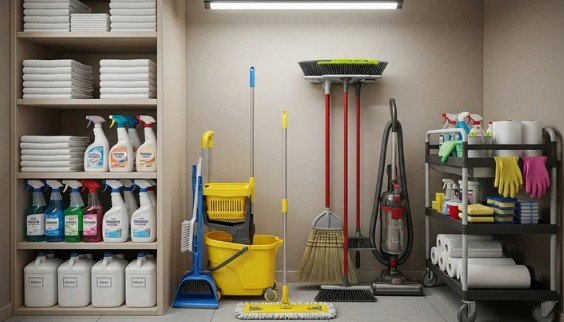
Quality Cleaning Products
The key to a successful cleaning business is having the right tools. Invest in high-quality cleaning products and equipment that will make your job easier and more effective. Consider eco-friendly options to cater to clients who are environmentally conscious.
Pricing Your Services
When determining your pricing structure, research your competitors to ensure your rates are competitive. Consider the type of service you provide, the complexity of the job, and the size of the area to be cleaned. Offering packages or subscription models can attract long-term clients.
5. Marketing Your Cleaning Business
Build an Online Presence
In today’s digital world, an online presence is essential. Create a professional website that showcases your services, customer testimonials, and a easy booking process. Don’t forget to set up business profiles on platforms like Google My Business, Yelp, and social media.
Target Local Marketing
Start by marketing your cleaning services to your local community. Hand out flyers, offer referral discounts, and partner with local businesses to get your name out there. Word-of-mouth is powerful in the cleaning industry, so building relationships with clients can lead to repeat business and referrals.
6. Hiring Employees
If your cleaning business grows and you need to hire employees, make sure to follow California’s labor laws. Ensure that your workers are properly trained and meet safety standards. Providing competitive wages and benefits can help retain top talent in a competitive market.
Addressing Common Objections

Is Cleaning Business Profitable?
Yes, the cleaning industry offers great profit potential. The key is finding the right niche and building a solid customer base. As you gain experience and expand your services, you’ll be able to command higher rates.
What Are the Start-Up Costs?
Starting a cleaning business typically requires minimal upfront investment. Costs include legal fees, insurance, cleaning supplies, marketing, and possibly vehicle expenses. However, many businesses can start small and scale as demand grows.
Frequently Asked Questions
1. What are the legal requirements for starting a cleaning business in California?
You’ll need to choose a business structure (e.g., LLC), register with the Secretary of State, get an EIN, and secure permits via CalGold.
2. Do I need insurance for my cleaning business?
Yes, general liability insurance, workers’ compensation (if hiring), and a surety bond are recommended for protection and trustworthiness.
3. How much does it cost to start a cleaning business in California?
Start-up costs typically range from a few hundred to a few thousand dollars, covering legal fees, insurance, supplies, and marketing.
4. How can I market my cleaning business locally?
Create a website, use Google My Business, distribute flyers, offer referral discounts, and partner with local businesses to attract clients.
Conclusion: Your Path to Success in California’s Cleaning Market
Starting a cleaning business in California is a great opportunity, especially given the demand for cleaning services across both residential and commercial sectors. By following these steps—setting up a solid legal foundation, investing in quality equipment, and marketing to your local market—you can launch a successful and profitable business. Remember, consistency and customer satisfaction are key to long-term success.


